🔊
Oaths
Every attack on Our House begins with a broken oath, so we start here—with the promises that hold a people together.
It may seem archaic to start a page about oaths. But oaths, and the betrayal of oaths, are central to the whole story of honoring and protecting Our House.
Why Oaths Matter
Understanding oaths and what happens when they are broken is essential—if you live around more people than Tom Hanks’ character, Chuck Noland, did in the movie Cast Away. But even Mr. Noland’s eventual rescue counted on this big thing called oaths.
Oath—the word itself is so old its roots permeate the deepest layers of humanity. Oaths are the bond that held the earliest families and tribes together. Oaths are what allowed members of tribes to trust each other—let their guard down. Then, and only then, could they become communities. Oaths keep us working—and thriving—together. Strong stuff.
 Many folklore and religions consider the optical phenomenon of sunlight refracted by droplets of water a cosmic oath.
An oath is like the taproot that keeps our society healthy and growing. Trusting the promises and integrity of others allow us to sleep at night with only a deadbolt latch separating us from the rest of the world. They are treaties between ourselves, and between every level of society—from neighbors, to neighborhoods, on up to nations and even larger communities—religions, continents, global alliances. All these are held together by the powerful concept— people keeping their oaths.
The reason they are crucial to understand—when oaths are abandoned, we are in trouble. Big time. When a leader hoodwinks citizens, we wither and die as a people. We feel anxious. We know we are living in uneasy times. The tree of humanity loses its vitality. Our country teeters without a moral compass. As social promises are broken we lose trust in the system. Those that break them shrink into little more than moving forms of dust—no matter the suit, the lapel pin, or the seat on Air Force One. A broken oath hollows a person from the inside out, leaving only the outline of what they once claimed to be. The promise broken—the tree must either surge forth new taproots or perish.
We simply cannot afford to elect or retain leaders that disavow their commitment to our Constitution. Oaths cannot be merely mumbled sounds ushered forth from between lips. We need leaders that we can hold accountable, not those that dodge behind smokescreens of lies and unending rows of lawyers.
Abiding by our oaths, promises, and treaties is the fertile ground from which America can grow a new world—a world so vibrant that even the Garden of Eden looks like it could use a bush hog. We are not talking about returning to some imagined past or making America great again. When we honor our word, choose leaders who do the same, and hold one another to the standard of shared responsibility, America does more than improve itself—it becomes a force that makes the world better than it has ever been, and better than we can yet imagine.
At Our House, we are not looking back at some golden era. We are not here to bow before the opulent or mistake wealth for worth. We are making rough places plain and crooked places straight. We are fulfilling the hopes and aspirations of those yet unborn—little white boys and little white girls who will someday join hands and embrace as brothers and sisters little boys and little girls of all colors. We are fulfilling The Dream.
Oaths—not just for lip service—anymore.
Oaths in Action
Let's dive in. Below are several official United States oaths. You probably memorized one as a child. Government officials swear to defend the Constitution against all enemies, foreign and domestic. New immigrants becoming U.S. citizens make this same commitment.
As children, we recite the Pledge of Allegiance.
“I pledge allegiance to the flag of the United States of America,
and to the Republic for which it stands,
one nation under God, indivisible,
with liberty and justice for all.”
Government Officials and Military Personnel
Those who take government jobs make at least one formal declaration to abide by norms and laws.
Accepting a position is an act of trust. It carries an expectation of integrity.
Officials in the U.S. government swear to defend against domestic enemies.
They commit their allegiance to the institutions and the Republic, not to an individual.
No member of the Department of Defense, by any name, swears allegiance to the President.
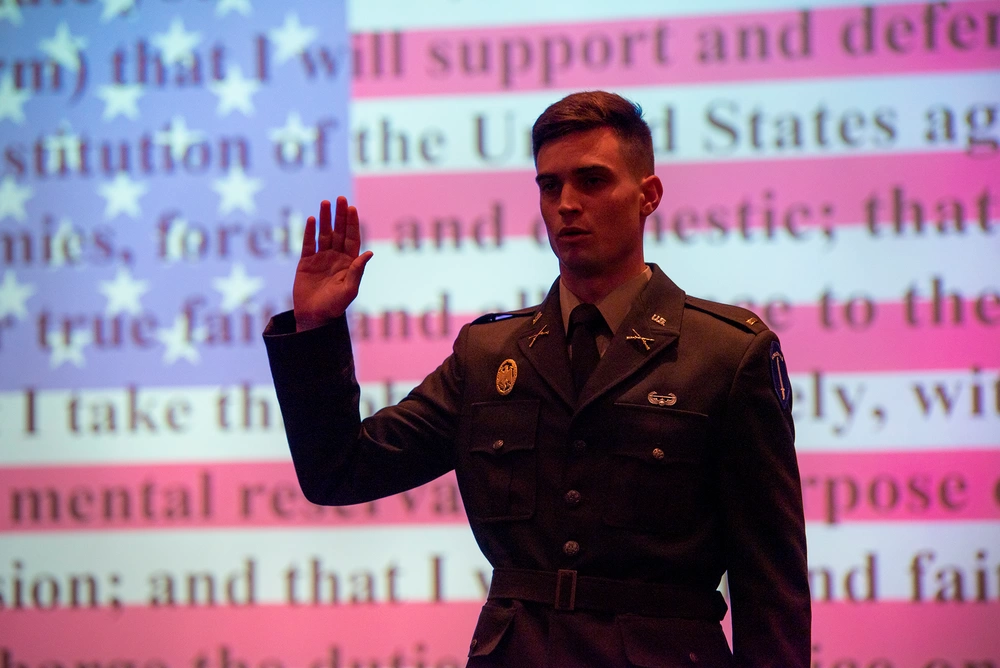
| I ________, do solemnly swear (or affirm) that I will support and defend the Constitution of the United States against all enemies, foreign and domestic; that I will bear true faith and allegiance to the same; that I take this obligation freely, without any mental reservation or purpose of evasion; and that I will well and faithfully discharge the duties of the office on which I am about to enter. So help me God.
Immigrant Oath of Allegiance
We weren’t all born with at least one American parent. We were not all granted citizenship that way. In fact, all Americans who can trace their roots—their ancestors—know they came to this land by foot, raft, ship, or other means of travel.
It is a blessing, not a curse, to live in a country whose previous generations nurtured it into an accepting place. It is not a sign of weakness that people want to come to America. Rather, when tourism and immigration are down, it is often a sign of weakness within the government. Lack of inflow reflects badly on the citizens who elected and tolerate that government.
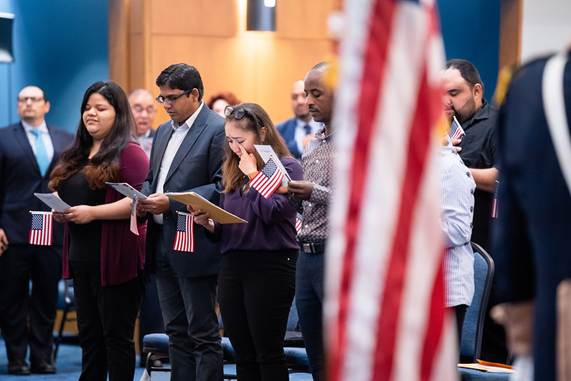
What does this have to do with oaths, you may wonder? Those who honor the American Dream by coming to our land also take an oath. Read it and see what they swear. They give up a lot. They come, in part, for the promise that they will be treated fairly. They hope they will be allowed to live with dignity, freedom, and justice—the very things America claims to stand for.
I hereby declare, on oath, that I absolutely and entirely renounce and abjure all allegiance and fidelity
to any foreign prince, potentate, state, or sovereignty of whom or which I have heretofore been a subject or citizen;
that I will support and defend the Constitution and laws of the United States of America against all enemies,
foreign and domestic; that I will bear true faith and allegiance to the same;
that I will bear arms on behalf of the United States when required by the law;
that I will perform noncombatant service in the Armed Forces of the United States when required by the law;
that I will perform work of national importance under civilian direction when required by the law;
and that I take this obligation freely, without any mental reservation or purpose of evasion;
so help me God.
Immigrants often uphold this oath with deep commitment. Their crime rate is lower than that of longer-standing citizens. No recent immigrant has organized an attack on the U.S. Capitol. The January 6th breach came from people born red, white, and blue.
Humanity Oath
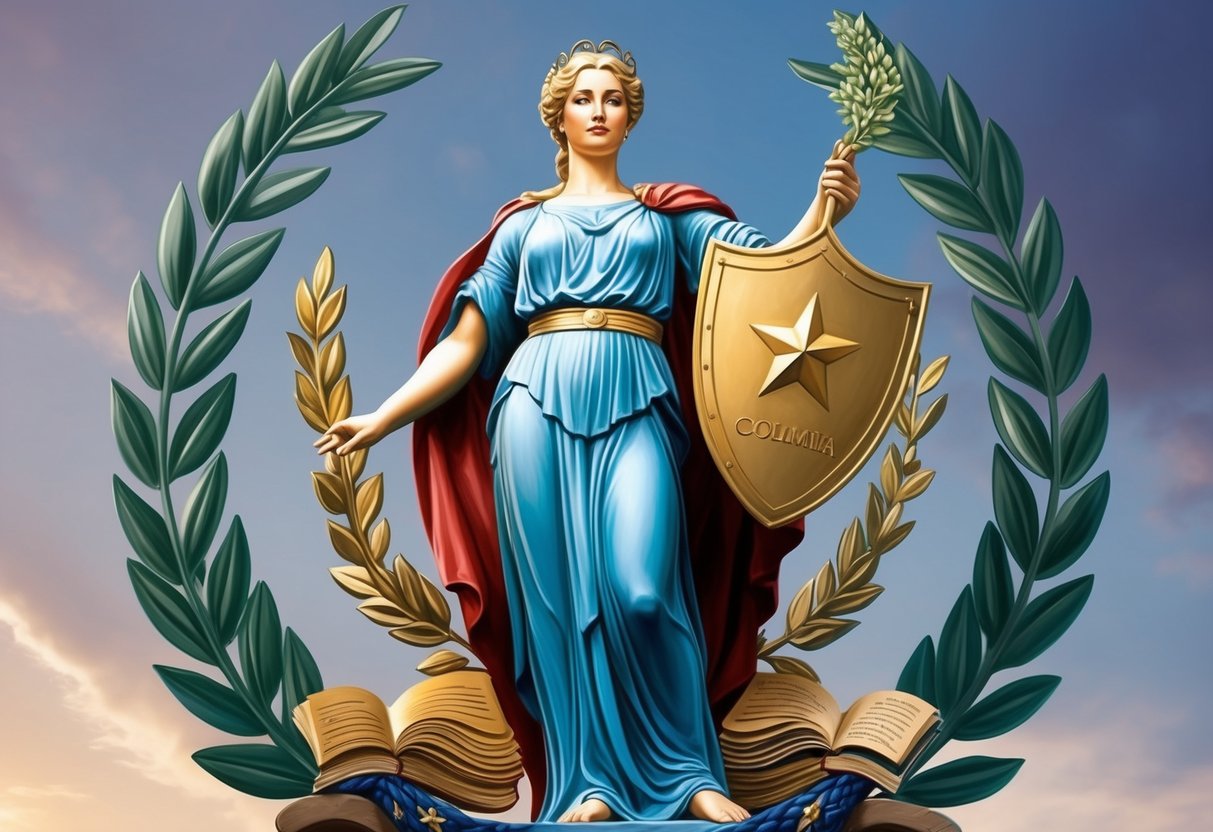
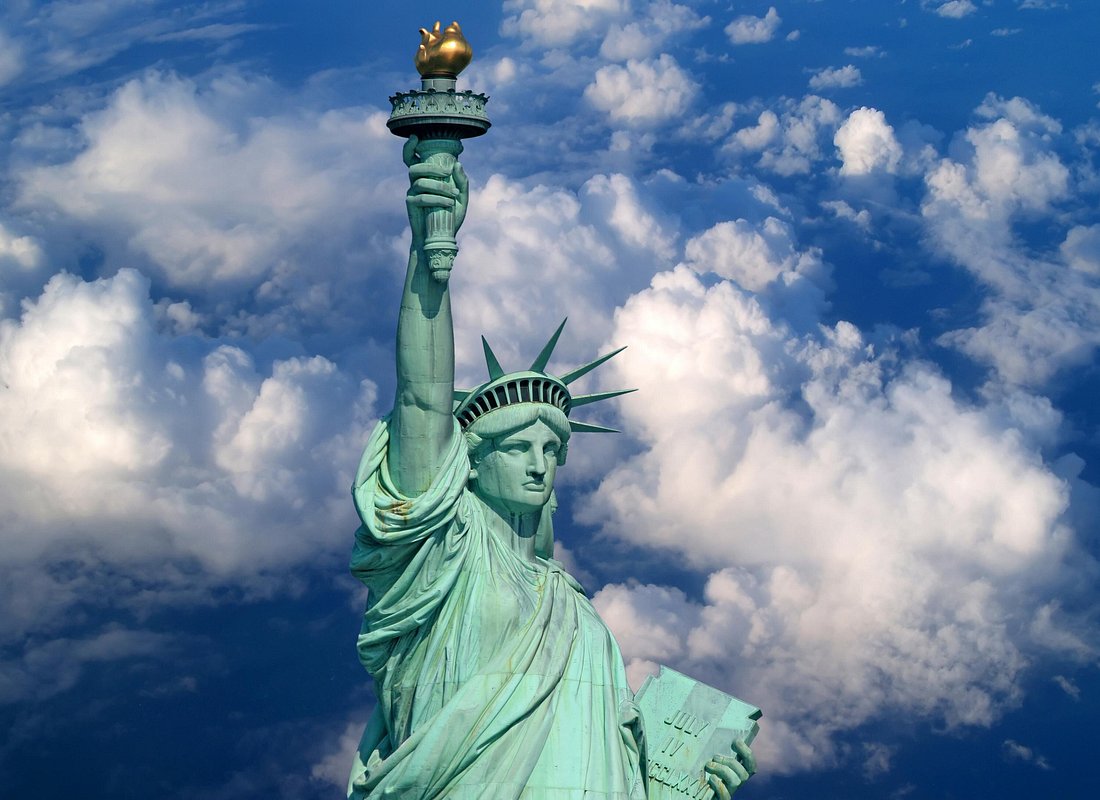
Once upon a time, America took a decidedly different approach to immigration. We reduced the pressures that drove people to our shores by helping foster growth and stability around the world. America championed human rights to a reluctant world. We did that when we had leaders who believed in something more valuable than thirty pieces of silver. Our people were in touch with their roots which embraced every corner of the earth. We wanted all nations to thrive. We built and supported institutions that carried our vision for a more perfect world. By strengthening these institutions, we lessened the forces that once pushed so many toward America, extending the beacon of Columbia to all our brothers and sisters, regardless of nation, race, color, or creed.
These acts were not the work of high‑society elitists. Average Americans did them. They were forged in the crucible of World War Two. The people we call the Greatest Generation earned that name not because they were braver, smarter, or stronger than us today, but because they believed in their oaths and acted accordingly. They shut the door on Fascism and unchecked dictatorships. They ushered in a forward‑looking foreign policy through the Truman Doctrine and backed it with greenbacks through the Marshall Plan. A policy like that today would be scorned by the feeble‑minded. Our parents and grandparents saw it as investing—making countries stable enough for leaders to emerge who would honor their oaths, not bullies rising from the ashes of devastation. And it worked. In today’s political parlance, the Greatest Generation was “woke”—and we can still say our oaths today because they were.
Man Overboard!
Before we delve into the darker side of oaths, let’s haul in the line we started about Cast Away’s reluctant but rugged character, Chuck Noland. Chuck was plane-wrecked on a tiny deserted island in the Pacific Ocean. His situation was tenuous from the start. Not to spoil the suspense, but to show how desolate his condition was, Chuck’s only form of medication was the back end of an ice skate. Yet even on an island bereft of other people, at least four oaths were essential to his eventual return home.
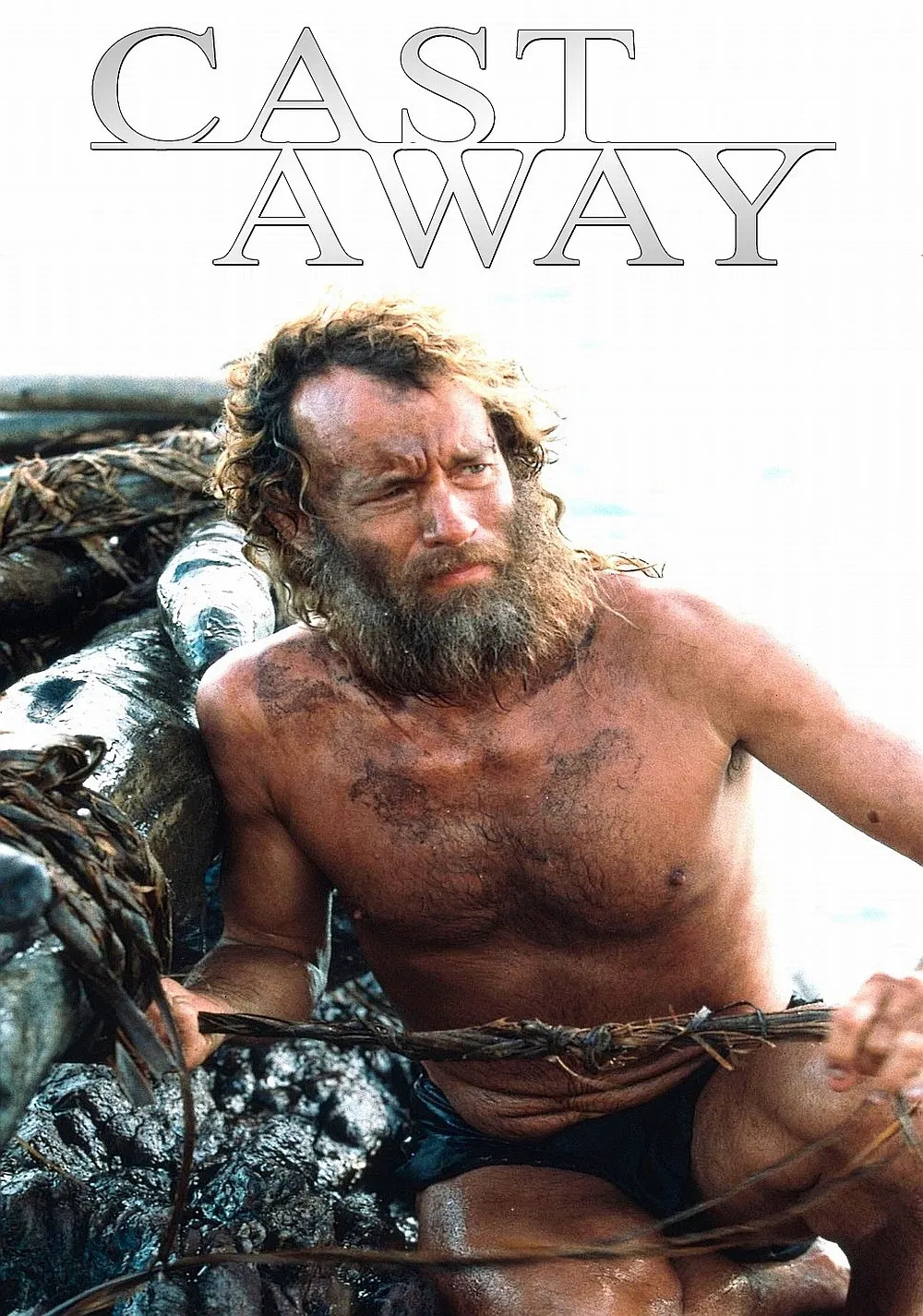
First, Chuck had an oath to himself and those he loved. He did not turn his back on that oath. He could have. He thought about it. But he believed. He honored his higher self. He wanted to reunite with his loved ones and show the world he never gave up on his oaths—his promises. He believed in his oaths so much that he was willing to plan and execute a precarious journey across foreboding distances, with no guarantee of survival.
Second, the seafaring whales had their own oath. We don’t speak whale, but in the film they guide Chuck toward rescue, as if sensing the honor in his heart. In Hollywood, at least, all creatures look out for the good guy—whether fin-propelled or walking on two legs.
The third oath that saves Chuck is the cinematic crescendo that brings tears to even the hardest-souled member of the audience. It is this oath—the allegiance shown by the crew of the passing ship—that lifts Chuck’s withered body from the ocean. It is an oath taken by people Chuck never knew: people from other lands, people young or old, dark- or light-skinned, speaking languages he could not understand. And they save him for the most human of reasons: oath. The crew of the cargo ship respects their oath. They inform their superiors that there is a man overboard.
And their superiors—the people in charge—the captain of the ship or his officer on watch—honor their oath. They give the order to reverse engines, full stop.
Chuck is retrieved. Our sun-parched, lonely hero has a way home. Why? We ask that a lot at Our House. Why? Because the crew and officers on the ship respected their humanity more than their time schedule. They held each other accountable to maritime law. They abided by their oaths.
 Even in space we would expect maritime law to prevail as Hollywood shows when a all but dead Tony Stark is rescued by Captain Marvel.
It doesn’t matter how much pressure a captain is under to get his ship to port. It doesn’t matter how ingrained the company's motto “Time is Money” may be. It doesn’t matter if someone on board has a toothache. International law prevails. This is not foreign to Americans. It is us, too. Americans don’t cast a questioning eye about who wrote the law. The law is the norms of our own Department of Homeland Security’s Coast Guard and our U.S. Navy. We respect long-standing jurisprudence. Why is there maritime law? Because a long time ago, and for the most part ever since, people in deep waters have felt obligated to help others. This is our oath to our fellow man, woman, and child—regardless of skin color, immigration status, hygiene, or bank account. Stopping to give aid and assistance has become the only accepted way to ply the seas. There is even strong maritime law for times of war.
So—you see, Chuck was never alone. He had his oath. And as part of the community of Earth’s creatures, he had the oaths of life around him. The sun aided him. The tides kept their rhythm. The sea and its creatures abided by their nature. Maritime law rang like a horn blast through the minds of the cargo ship’s crew: do the right thing.
We are never alone when those around us honor their oaths.
Yet history teaches another truth: when oaths fail, people suffer. At Our House, we examine these failures so we can recognize the leaders who would break trust, distort duty, say to their people that we need not honor our treaties, or place themselves above the people they swore to serve.
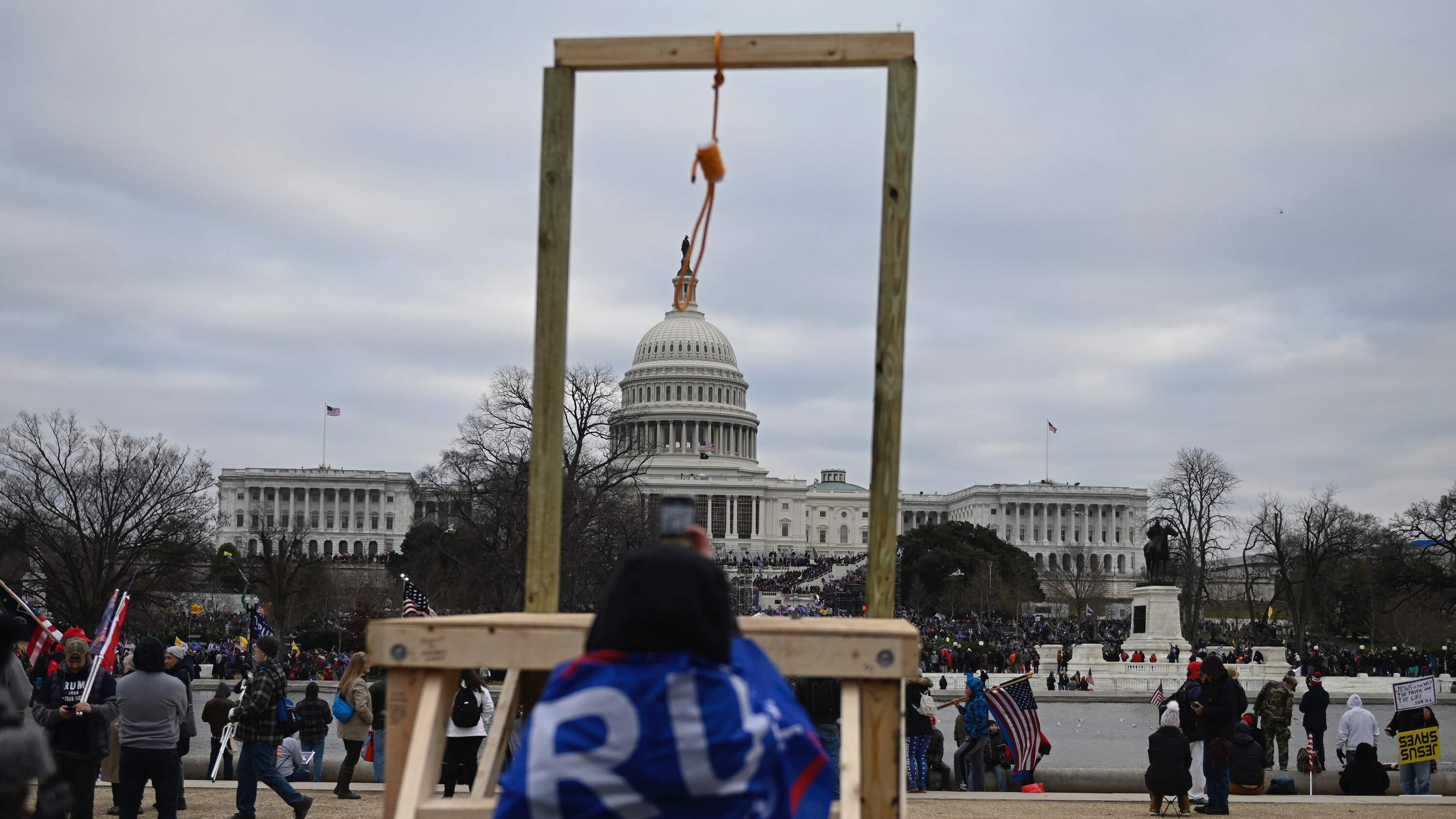 Neckties aren't the only fashion accessory that might constrain one's ability to breathe. No peace march in the history of America placed this functioning symbol of terror amid an angry mob.
Broken Oaths, Broken Integrity
The story changes when oaths are broken. At Our House, we study these breaks—the patterns, the behaviors, the warning signs—so we do not follow leaders who would steer our ship into danger. We cannot afford captains who flaunt maritime law, or leaders whose first instinct is to sink those just reaching the shores of the American Dream.
We, as a people, cannot follow leaders whose primary objective is personal wealth, power, or prestige. Why? Because we are all on this boat we call America. We are all on this single marble of iron, water, and air we call Earth.
We cannot afford to trust people who break their oaths. Doing so jeopardizes not only our future; it dishonors those who fought so hard for our freedom. It puts our present in turmoil and brings clouds of discontent into our future.
Following stirrers of sedition brings great suffering and cost. We fear our neighbor, our police, our government. We doubt the mental acuity of those who are within arm’s reach of the Button.
We lose our way as a people. We lose our unity. Our ship of state runs aground. We all become cast away into tiny islands of despair, uncertainty, and tribulation.
Broken promises—let’s see how they put us at risk when the country was young, then circle back to the present.
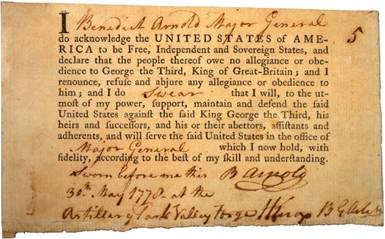 Benedict Arnold's signed oath.
Benedict Arnold’s Oath
Revolution was in the air. George Washington was general of the army before becoming president. The nascent nation counted on young men to fight, women and families to toil and suffer, and a handful of senior officers to lead and remain loyal to their oaths.
Benedict Arnold was one of those military officers. He proved himself a capable colonial leader and played a pivotal role at the Battle of Saratoga.
Arnold had bigger ambitions than the payroll the Colonial Army offered. He broke his oath and tarnished his legacy through betrayal. He attempted to give the British control of the military post at West Point in exchange for money and status. So deep was his betrayal that our language turned “Benedict Arnold” into an eponym—a name that now stands as a noun for oath‑breakers.
Time now to bring ourselves back to the present and address the broken oaths of today’s leaders. Time to consider what caused the January 6, 2021, attack on the Capitol.
Donald Trump’s 2017 Oath
Each American president swears an oath as part of a well-documented public ceremony. It is a big deal. The event is called an inauguration ceremony. Inaugurations are designed to reassure citizens that their leader is trustworthy. But swear in the wrong person, and the ceremonial stage can amplify a belligerent ego.
During the 2017 inauguration, Donald Trump took such a presidential oath of office. Presiding over the swearing-in ceremony was none other than United States Supreme Court Chief Justice John Roberts.
The history of Trump’s betrayal is covered on other Our House pages documenting the scope and violence of that treachery. It remains to be seen if America will ever admit Trump committed treason more sinister than Benedict Arnold. Arnold gave away the plans for one fort. Trump tried to take the whole government. The jury is not still out on this; it was not allowed to sit. The Supreme Court would not let the case be heard.
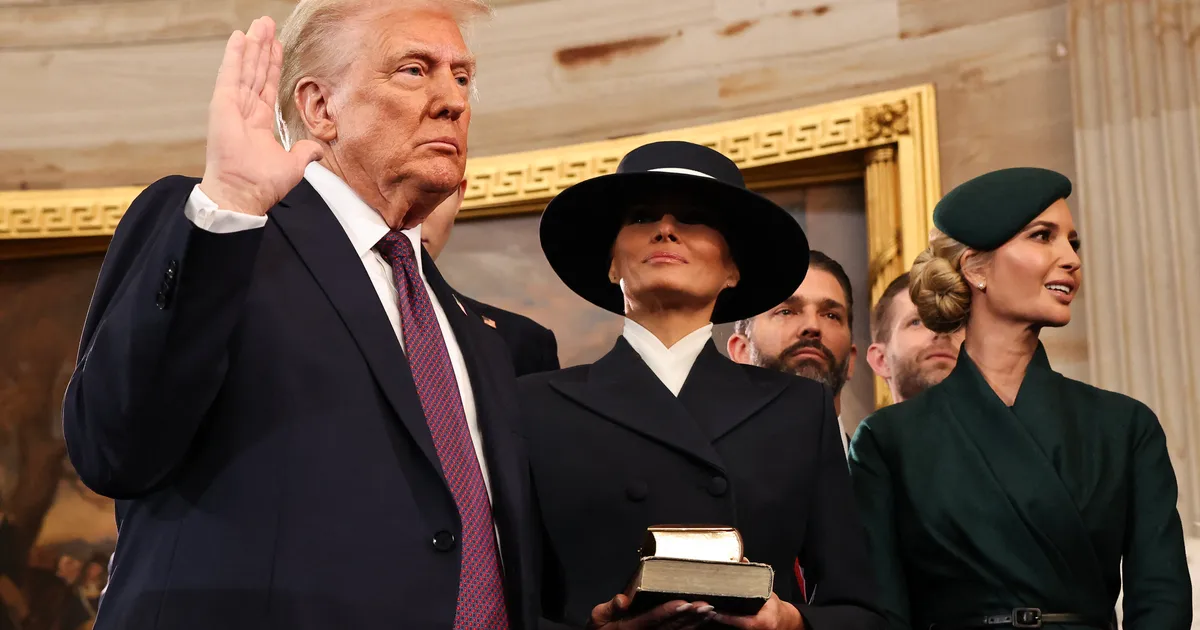 Second time around, as 47th President, Trump refused to put his hand on the Bible as if that made his commitment to us easier to break.
But history and American linguistic patterns are not bound by concern for the weight of a hand upon their shoulders. Not all Americans sullied their oaths. Americans will form their own lasting idiom of what being “a Donald Trump” means, just as they will for the congressmen who aided him, the lawyers who maneuvered on his behalf, and the judges whose decisions prevented the nation from exercising its right to a fair and speedy trial. A trial, had it occurred, could have offered the country clarity, lessons in accountability for those who might imitate him in the future, and a chance for America to move forward.
Years later, after the events of January 6, Trump’s attorneys argued publicly and in court that he had not truly sworn an oath of allegiance. These claims were offered as the nation reacted to the fact that its 45th president had been accused of encouraging actions that disrupted the peaceful transfer of power. They were raised in legal proceedings when the State of Colorado ruled that he had engaged in insurrection and was ineligible to run for office. Anyone who has stood before a judge knows that all present are expected—and often sworn—to tell the truth, the whole truth, and nothing but the truth. Yet a longstanding weakness in the American justice system is that penalties or disbarment seldom arrive swiftly, if they arrive at all, for attorneys who violate those expectations. In that gap between action and accountability, great harm can be done before the courts ever catch up.
As for the Colorado case, in a startling turn of justice, the U.S. Supreme Court overturned that decision. Apparently, states cannot try to uphold the 14th Amendment when federal courts are too busy counting their silver. The Supreme Court allowed Trump to appear on the next ballot.
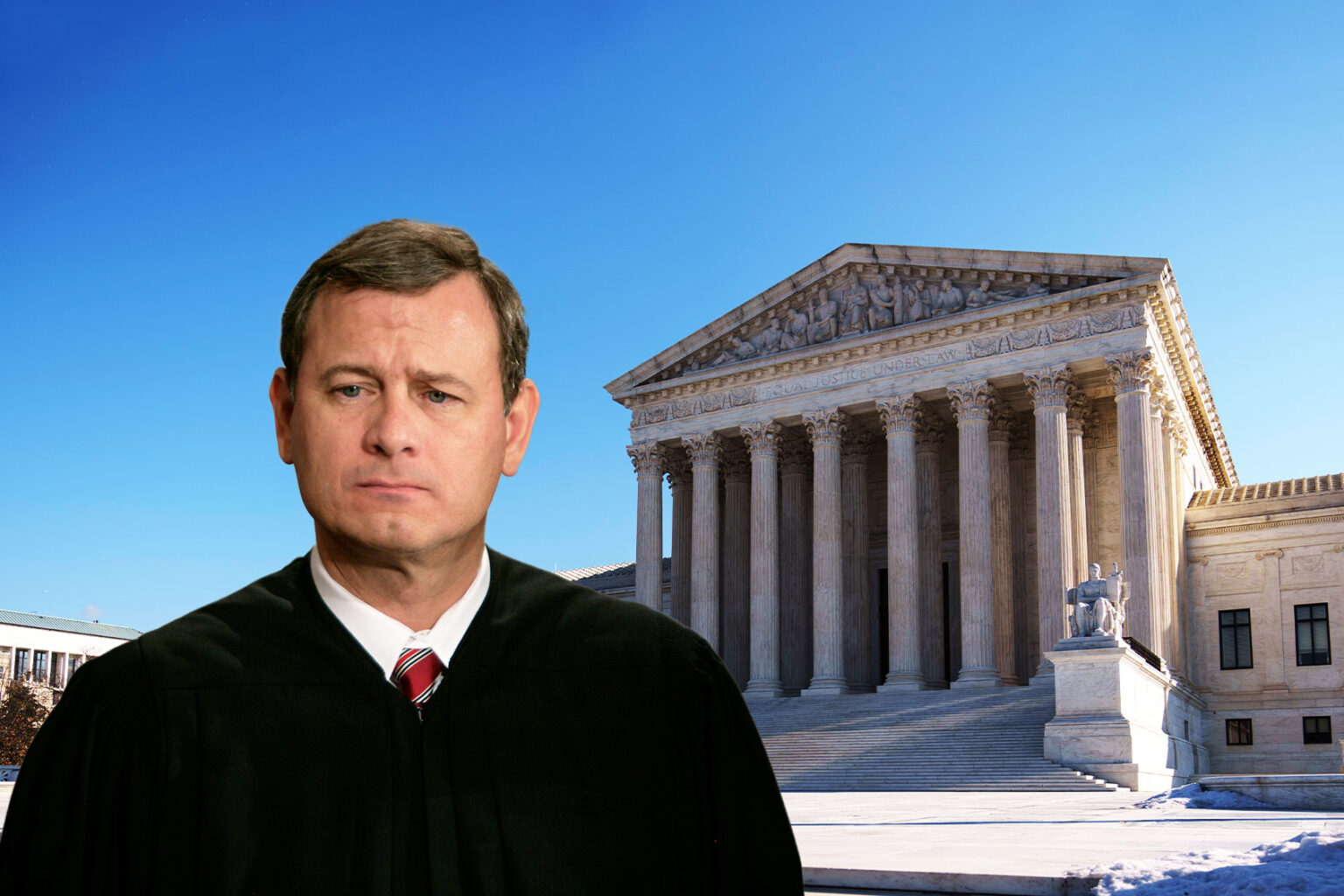 John Glover Roberts Jr. graduated summa cum laude from Harvard College and earned his J.D. magna cum laude from Harvard Law School.
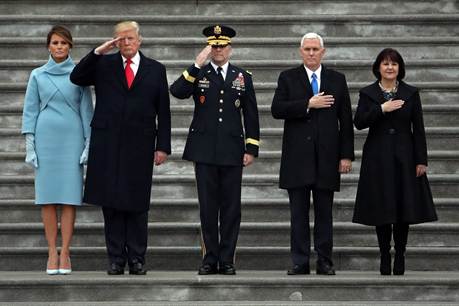 The inauguration ceremony of Donald Trump as the 45th President of the United States, January 20, 2017.
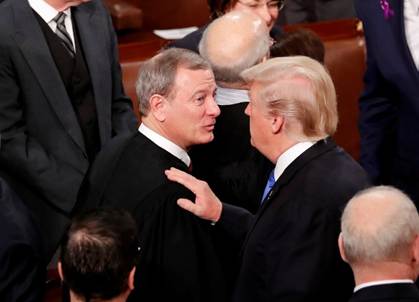 Roberts and Trump share a warm greeting, January 20, 2017. The hand that rests there need not stop others from acting with integrity and live up to their oaths.
You Make the Call
Our House is an educational initiative.
We encourage you to think, research, and decide for yourself—free of political affiliation or past voting choices.
Did the 45th President of the United States swear the oath he and his attorneys later downplayed? It is time to glide into Key Lessons below. See and hear the 2017 inauguration oath for yourself as you make the call.
Key Lessons
Public oaths exist to bind authority to responsibility. When oaths are honored, trust becomes possible and communities can flourish. When they are ignored or broken, that trust cannot be sustained.
Human Behavior & Integrity Patterns
-
You Make the Call.
Watch and listen to Trump's 45th inaugural oath. Did he make an oath? What of his defense that he didn't break his oath when he organized the January 6 attack on the Capitol?
 Trump's 45th Oath- You Make the Call -
-
Integrity is built through choices, not explanations.
Every choice adds or removes a piece of integrity structure inside you.
Explanations may sound good, they may even convince those already in your corner, but only actions strengthen integrity.
You cannot talk your way out of a situation you behaved yourself into- without undermining your integrity.
 Goose Feathers – Examine how small decisions shape integrity. Try to talk your way out of a situation you behave yourself into.
-
Our responsibility is to understand human behavior as it relates to promises and consequences.
A half-hour of practice keeping promises and breaking in a structured environment can give you life-long insights.
Reflect on human behavior and integrity standards. As individuals we must speak up right away and correct people when they cross important lines- break important oaths. We must hold them socially accountable with appropriate consequences for unacceptable behavior.
 UNDER DEVELOPMENT
Keep a Promise Under Pressure –
UNDER DEVELOPMENT
Break a Promise Under Pressure –
UNDER DEVELOPMENT
Keep a Promise Under Pressure –
UNDER DEVELOPMENT
Break a Promise Under Pressure –
A little help, a little correction, at the right time goes a long way.
UNDER DEVELOPMENT
Speak Up! – See how integrity resets the norm after you speak up.
-
Our responsibility includes allowing each other to grow. And growing includes testing boundaries. We must help each other become functional people in our communities and democracy.
We experiment with boundaries as we choose to accept them or willingly ignore them.
UNDER DEVELOPMENT
Cutting Corners-
-
Our responsibility includes making ourselves and others aware of the effects, the results of broken oaths.
What happens if we go too far and break a social oath- a community promise?
What if we cheat a kickball, speed while driving, lie about voter fraud? What damage is likely? What effect and results flow from rule breakers?
UNDER DEVELOPMENT
Effects of Broken Promises
-
We must also be aware of the human behavior displayed by people that abide by the rules, and the personality types of those that break their promises.
For us to thrive in our communities and have a functioning vibrant democracy, we must learn to read the "tells" of other people. Should we follow someone that displays subtle or overt signs of dominance. Should we continue trusting those that willingly break rules, lie, cheat?
UNDER DEVELOPMENT
Promise Breakers' Tells -
-
We must realize what people will do if they are not corrected when they break oaths and rules.
If we don't take action to correct bad behavior, the perpetrator will likely interpret lack of correction as a sign those rules are "someone elses." They may infer social constraints don't apply to them.
UNDER DEVELOPMENT
Uncorrected Behavior -
-
We need to know and help define what is acceptable behavior and hold people accountable.
Each of us needs clear boundaries. With clear boundaries, we can be held accountable and hold each other to the same standard. If we deviate from the rules, we know what to expect.
We must accept responsibility to occasionally look over our shoulder and confirm others are abiding by their oaths, just like we choose to do. We must as Americans do this free of prejudice. We must uphold the rules universally.
Skin color, age, politics, or the number of lawyers a person can muster cannot matter is not a free pass. Broken rules, ignored oaths not corrected early in a person's life may contribute to them becoming bullies or other types of psychopaths.
Our role as citizens is not just knowing examples of broken promises- cheating, speeding, lying. It also requires us to accept uniform and scaled consequences for people that break these promises.
UNDER DEVELOPMENT
Effective Consequences -
- We must learn from history, and our own experiences, that some people will repeat bad behavior. Our role as Americans requires us to anticipate some oath breakers will persist.
Life-long rule breakers tend to be much more dangerous that one-time offenders.
UNDER DEVELOPMENT
Identify Repeat Offenders -
- As Americans responsible for our country, we must accept that some people will be repeat offenders. We must know the consequences and hold repeat offenders accountable.
Learn how our society ratchets up ramifications for repeat offenders.
UNDER DEVELOPMENT
Ratcheted Repercussions -
Our role also requires us to ensure the consequences are fairly and uniformly metered out. What happens to our oaths when we let some people break promises and there are no consequences?
UNDER DEVELOPMENT
No Exceptions Allowed -
-
Help people who don’t feel strong enough to do the right thing before repeated choices become a pattern. Intervene early, before habits harden into identity.
We are all like Chuck Noland and Tony Stark at times- in need of help. True community builds when we help good hearted people, especially when others are harassing them.
UNDER DEVELOPMENT
Help the Underdog -
Silence teaches the wrong people that their behavior is acceptable.
-
As a citizen, you must help our society remain true to its core principles and evolve. Our responsibility is dynamic. We do not live in a static culture.
Our democracy must evolve if we are to truly fulfill our potential and build a better country. We must be fully engaged, do the work, make crooked places straight to build a better world.
Our government supposedly was founded on principles of equality and justice for all. Are we there yet?
UNDER DEVELOPMENT
Suffrage and Civil Rights -
Integrity grows when we expect it, model it, and reinforce it — in ourselves and in others.
Systemic Accountability & Legal Delay
-
America's federal structure of Congress-Court-Executive is designed assuming individuals performing key roles have integrity. The system is designed for deliberate consideration, not snap action.
When a system is functioning well, minor adjustments keep it heading in the right direction.
UNDER DEVELOPMENT
Target Practice -
In a system designed to be thoughtful and balanced, a rogue person can easily disrupt it by making changes without authority or forethought. And the other part of the system will not likely react in time to stop the harmful changes.
UNDER DEVELOPMENT
GOLD! -
Courts may eventually take a case and rule. But courts are a poor safeguard against tyranny and flagrant abuses of power from either the Executive Office or Congress.
UNDER DEVELOPMENT
Trail of Tears -
-
Our system assumes leaders will also know the value of following to ensure the country remains stable. Our system only works if each Executive administration follows the law.
Sometimes administrations are not thrilled by a law, but nearly all accepted our Constitution and the powers it bestowed. This means the Executive must accept court rulings, even if they don't want to.
UNDER DEVELOPMENT
Presidents that Abided by Law -
During Trump's administrations, especially his second, the Executive willfully and repeatedly ignored court orders. What does that say about the direction the administration is leading America?
UNDER DEVELOPMENT
Trump Flaunts Law -
-
Courts are made of people. Lawyers are vetted before given the honor and responsibility of being a judge. People that want power run the vetting process so they get judges in high courts that will enact laws to suit them, not the American people.
The Heritage Foundation made it their mission to develop judges in various courts that were aligned with the Foundation's view of America. They used lower courts as a "minor league." They pulled judges to the highest courts that had a proven track record, not of fairness or an appreciation for justice. They promoted judges with questionable backgrounds that were committed to repaying the Foundation with laws favorable to its view of America.
UNDER DEVELOPMENT
The Heritage Foundation & Project 2025 -
-
As a citizen, you must help our society remain true to its core principles and evolve. Our responsibility is dynamic. We do not live in a static culture.
Our democracy must evolve if we are to truly fulfill our potential and build a better country than we ever had. We must be fully engaged, do the work, make crooked places straight to build a better world that we can yet imagine.
Some that have had issues with lawyers in a given state say: "State Bar Associations are of the lawyers, by the lawyers, and for the lawyers." Is there an issue of agency at work protecting lawyers more than citizens?
UNDER DEVELOPMENT
BARS- More than Margarita Holders -
Do penalties metered out by courts and Bar associations provide a reasonable censure or restraint for lawyers? Do the people that pay lawyers once reward them with assured other jobs if they get disbarred? Do Presidential pardons help assure corrupt administrations will be represented regardless of the legality of the case?
UNDER DEVELOPMENT
RISK vs REWARD- Have penalties kept up with incentives? -
-
The Department of Justice is intended to be a federal institution that performs without undue control from either the Executive or Congress. This is the only way we, as citizens, do not become the targets of vindictive individuals in government.
During the Trump administration, the President made many remarks saying the DOJ must go after his "enemies" or he would appear weak.
Many individuals were forced to defend themselves and/or illegally fired as punishment for trying to uphold our Constitution. What does that say about the DOJ's impartiality?
UNDER DEVELOPMENT
Trump's DOJ's Targeting Americans -