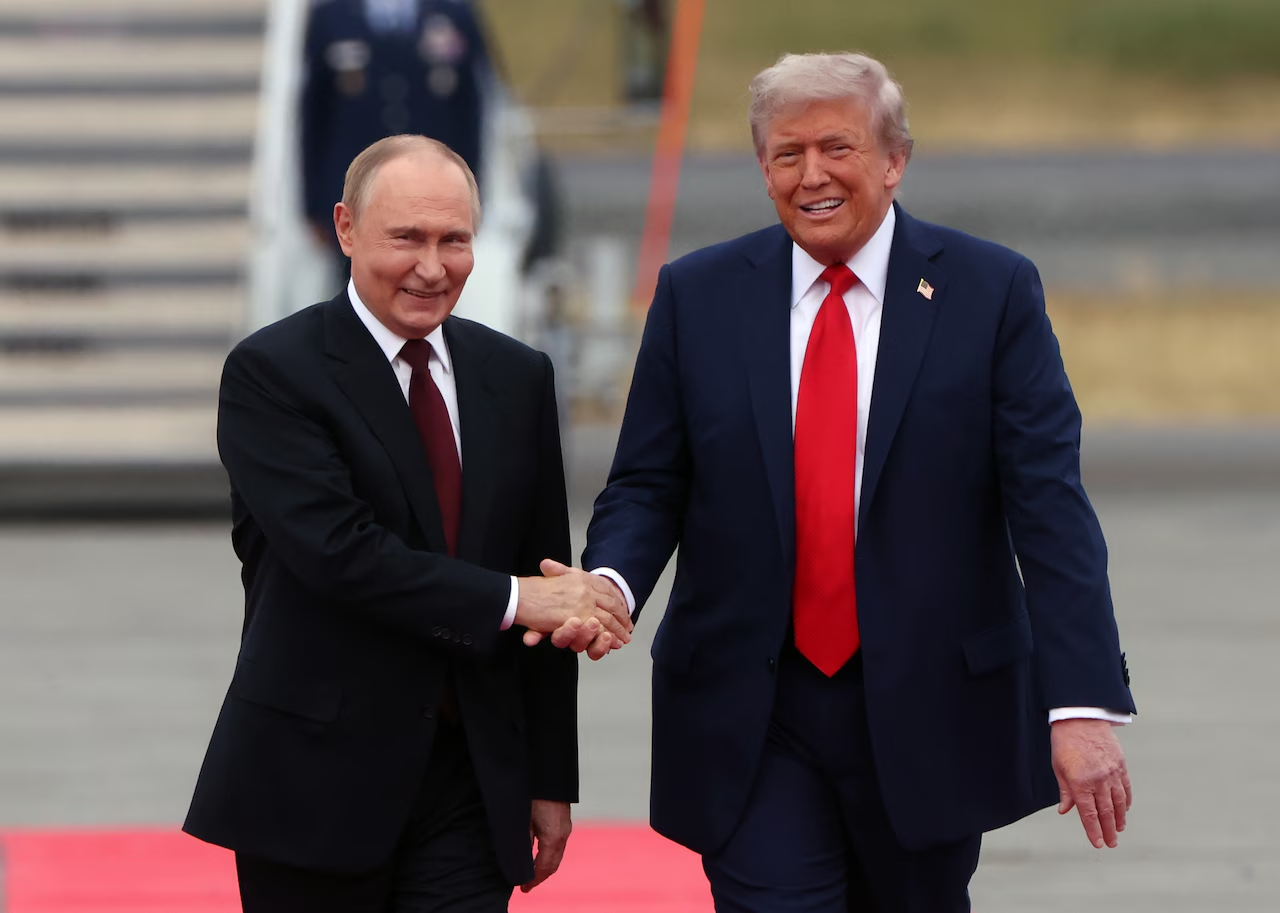
 Two leaders who publicly admired strength, loyalty, and dominance — often at the expense of democratic norms.
Understanding the Insurrection requires inspecting the connection between self and group. This requires looking beyond politics and into human behavior.
Many influences led to the formation of MAGA. And each of these brought with it motivations that contributed to the Insurrection.
Trump before MAGA -
Trump displayed
alarming traits unbecoming a democratic leader long before MAGA. Refer to
Jan 6 Motives for Trump's
reasons to try to stay in power despite losing the election.
Trump with MAGA -
Trump's perception of his role in MAGA influenced his thoughts, words, and actions.
Trump's inner circle -
The impact of their petty grievances and motives were magnified by being one of Trump's inner trusted circle.
MAGA -
- Americans inclined to be followers of bully-style leaders contributed nation-wide momentum.
Financial bandwagon -
As the sway of MAGA gained momentum, right-wing social media outlets clamoured for its loyalty. Fox News and others bet their future that placating this group's shared fears and identity was worth exploiting.
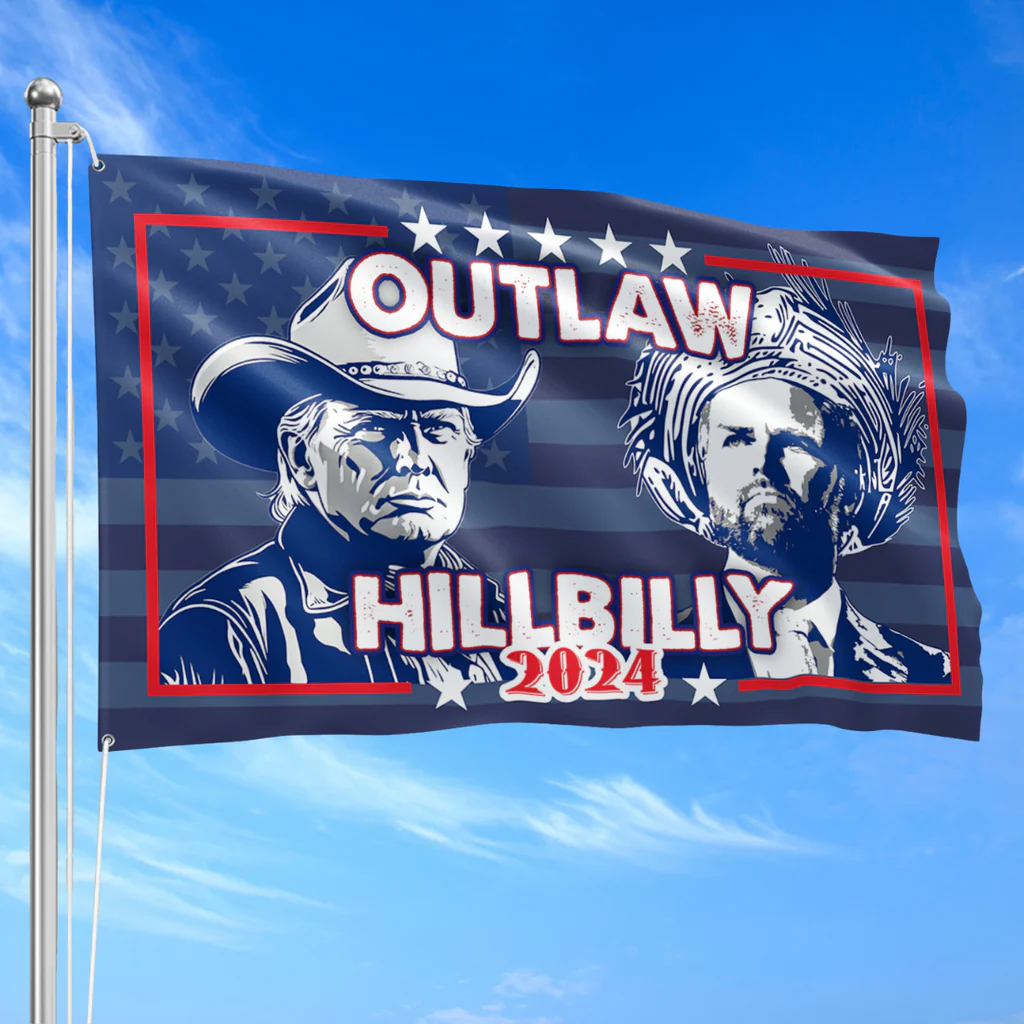 "Yeehaw! In a complex world needing a wise leader capable of navigating national and global issues with integrity- MAGA prefers an outlaw hillbilly President. Now we know what spurs feel like from the wrong side of the boot."
Trump's Identity Based Methods
Donald Trump's motives drove his methods. These methods can best be understood in context.
By understanding these elements of Trump's motives, students, citizens, and MAGA followers can realize:
- How MAGA followers were pulled in
- Why they stayed
- How Trump used identity, loyalty, and grievance to maintain control
- How those same mechanisms led to January 6
Identity construction
Trump built a political identity that fused his personal brand with his followers’ sense of self.
For him, this wasn’t just politics — it was identity maintenance.
His public persona depended on being seen as strong, victorious, and exceptional.
Admitting error or defeat threatened the core image he had spent decades constructing.
By tying his identity to the movement, he ensured that challenges to him felt like challenges to the group itself.
This made loyalty to him feel like loyalty to one’s own identity — a powerful psychological bond.
Loyalty engineering
Trump consistently framed loyalty as the highest virtue and disloyalty as betrayal.
Allies who praised him were elevated.
Those who questioned him were publicly punished or cast out.
He used praise, access, and attention as rewards.
He used ridicule, exclusion, and threats as consequences.
This created a predictable environment:
Stay loyal → stay safe.
Break ranks → face consequences.
For Trump, this structure protected his authority and kept the movement centered on him.
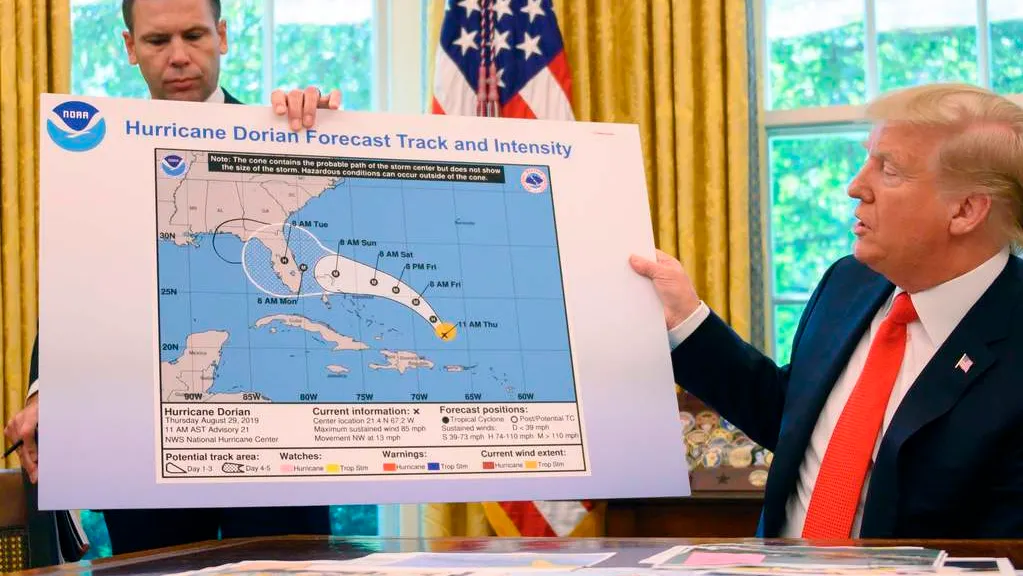 " Sharpiegate - Trump intentionally lies on national television about the predicted path of a Hurricane. Shortly afterwards, NOAA and FEMA organizations rebutted Trump to keep Americans aware of the real risk. Trump later cut NOAA and FEMA funding in retaliation for correcting him."
Narrative control
Trump understood that controlling the story meant controlling the movement.
He repeated simple, emotionally charged narratives.
He dismissed contradicting information as “fake” or “rigged.”
He positioned himself to MAGA as the only trustworthy source.
He framed institutions that challenged him as corrupt or biased.
This wasn’t accidental — it was a strategy that ensured his version of events always felt more compelling than official accounts.
Narrative control allowed him to maintain dominance over MAGA even when facts were not in his favor.
Perceived grievance
Trump consistently framed himself — and by extension, his followers — as victims of unfair treatment.
“They’re not after me, they’re after you — I’m just in the way.”
“The system is rigged.”
“They’re trying to silence us.”
This grievance framing served two purposes:
It justified aggressive responses as “defensive.”
It deepened emotional loyalty by creating a shared sense of persecution.
For Trump, grievance was a tool for mobilization and cohesion.
Leader‑follower dynamics
Trump’s leadership style relied on a reciprocal emotional exchange:
He provided certainty, simplicity, and confidence.
Followers provided admiration, loyalty, and protection.
This dynamic reinforced itself:
The more loyalty he received, the more he demanded.
The more he demanded, the more followers felt compelled to prove themselves.
For Trump, this wasn’t just political support — it was validation of his identity and authority.
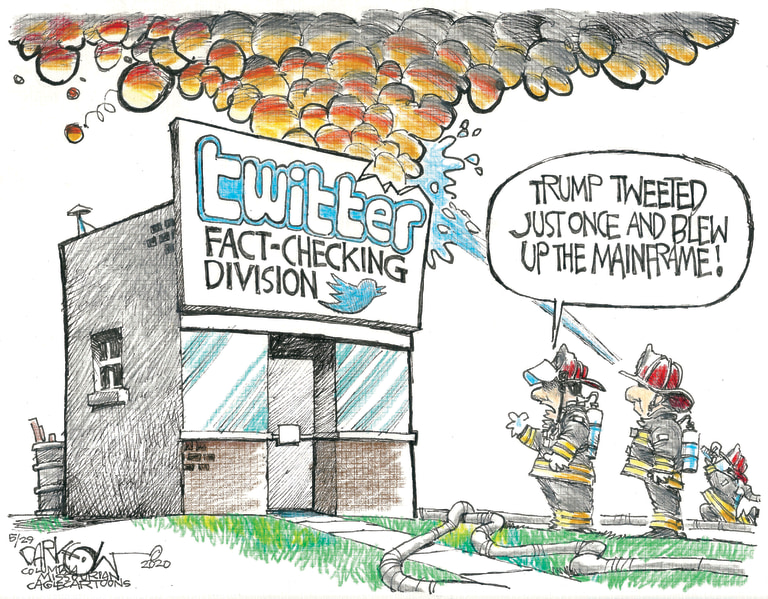 "Cartoons are an age-old way of dealing with social incongruence. Like court jesters of old, cartoons allow citizens to vent and poke fun at each other and leaders during difficult social circumstances."
Manipulation of trust
Trump positioned himself as the only "reliable figure" in a world full of enemies.
“Only I can fix it.”
“Don’t believe what you’re seeing and hearing.”
“Trust me over them.”
By undermining trust in institutions, experts, and even close allies, he made himself the central — and sometimes the only — reference point.
This gave him extraordinary influence over how MAGA followers interpreted events, threats, and choices.
Reward/punishment structures
Trump used a predictable pattern of incentives:
- Rewards: Praise; Retweets; Public recognition; Access; Endorsements
- Punishments: Public shaming; Nicknames; Exclusion; Threats of retaliation; Loss of status within the movement
These traditional bully-con man structures shaped behavior inside the movement and inside the Republican Party.
For Trump, they were tools to maintain control and ensure alignment.
The Emotional Economy of MAGA
Trump’s motives were deeply tied to the emotional exchanges that defined the movement.
He needed admiration to reinforce his self‑image.
Followers needed a leader who made them feel powerful, protected, and validated.
The movement created a feedback loop of identity, grievance, and loyalty.
This emotional economy made the relationship feel personal, not political — which is why challenges to Trump felt existential to many followers.
All of these motives — identity, loyalty, narrative control, grievance, trust, and emotional reinforcement — aligned toward one outcome: Staying in power despite losing the election.
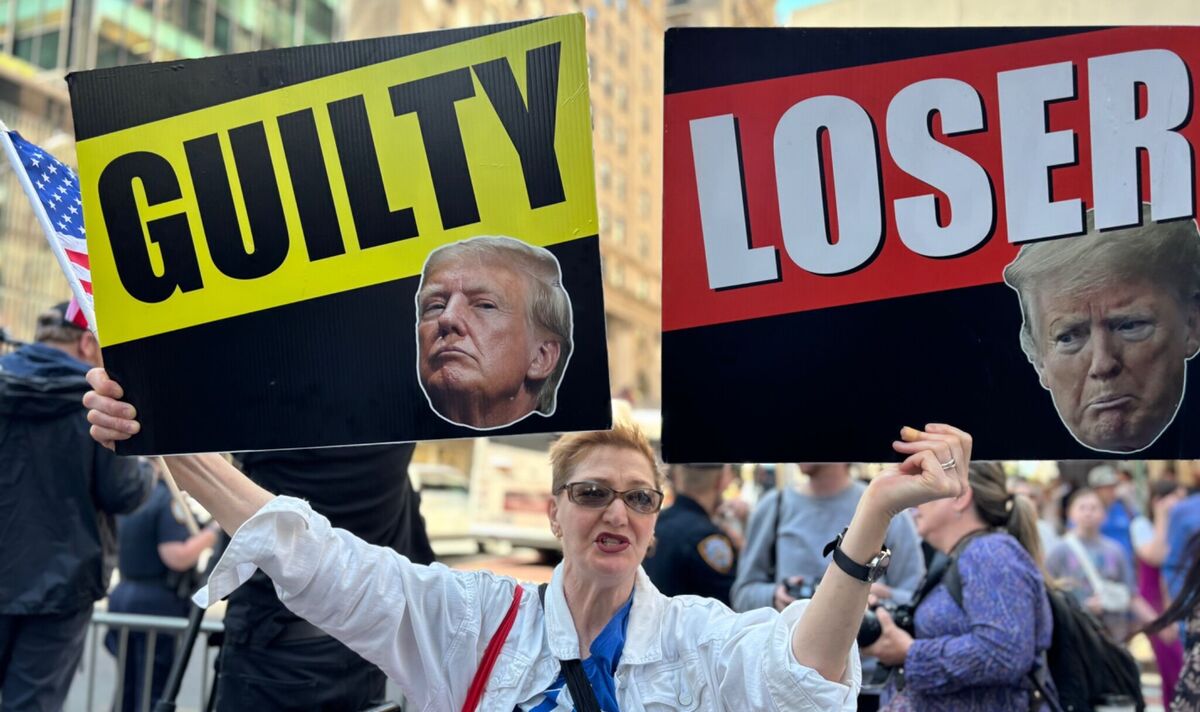 Some followers of Trump were conned over a decade ago. Each reacts and responds differently as the truth of their deception sets in.
MAGA's Crafted Identity
The story isn't complete without helping America realize the Identity of MAGA was a carefully crafted fabrication. There isn't one MAGA identity. This is why Trump's speeches and tweets often sour one faction but bolster another's adoration. Still, taken as a whole, the MAGA Identity was forged by distinct factors:
Self-Created
- Some citizens desired to belong to a group that was "safe" because it included many of their neighbors, friends, and associates.
- Many of these same citizens preferred to tolerate and get behind bullies rather than correct or confront. They rather accept a con man and ignore the harm a promise breaker is likely to cause as a way to avoid confrontation.
- They had a higher regard for self than others. They readily accepted hegemony. They tended to see people of different color skin, religion, even state or city as "others." And "others" deserved ostracization, bullying, and even death if the President said so."
- A need for unfounded self-aggrandizement that "They were the adults in the room." They are the ones that should be herd and listened too. This goes back to the erroneous title "moral majority" which was never moral or a majority. But the two words gave many people a reason to fee like they should belong to it.
Collaborating Leader
- MAGA needed a highly egocentric leader that needed MAGA as much for his own edification as the rank and file needed someone to adore. Donald Trump satisfied this role. His self-esteem yearned for MAGA's constant attention. Loyalists needed a central leader in a position of power- that could pardon them too.
- Leader must create and maintain the illusion of invincibility and be willing to bully anyone that may appear as a check to his power.
Complicit Fake News Streams
- Constant repeated stories from one or more "news" sources MAGA followers trusted. Fox News primarily served this purpose. This gave legitimacy in their eyes to the stories of grandeur and infallibility of their leader.
- Additional social media outlets that parroted and echoed Trump's tweets and Fox News stories without performing corroborations. Fake news proliferated at the speed of electrons giving MAGA reassurance that no matter where they turned, they saw "evidence" they were in the right group.
- Computer and Smart Phone software filters. These filters tend to re-enforce stories the user likes, watches, listens too. If a user does not value alternative viewpoints and "news" sources, software filters restrict stories it forwards to the user. These filters trend in one direction- presenting only stories from sources echoing the perspective the user prefers. In a short time, the user sees and hears only stories that confirm their skewed perceptions.
 We all have choices to make. Selecting those that are healthiest for ourselves, country and world are best done with an educated and open mind.
Reassessing MAGA Identity
Life after Trump is a reality for MAGA. Coming to grips with it now, rather than later can be a burden-relieving choice.
Our public and civic oaths are to the Constitution and institutions. In our democracy, Americans are never to pronounce unwavering loyalty to a politician. This enables the majority of Americans to remain steadfast in their loyalty to that which we pledge allegiance. And it allows us to avoid the cult of personality that plagues MAGA.
MAGA followers face the dilemma of either remaining true Americans with oaths and loyalty to our Constitution, or remain fervently faithful Trumpers for Life. It is a plank of their own making on a sinking ship. It is a plank we need them to step back from if they are to move forward without causing another horrific splash like the January 6th Insurrection.
Below are descriptions and links many MAGA followed as they stepped off the plank.
- Deprogramming science-backed strategies to reverse MAGA’s grip on the mind without shame, but with precision, empathy, and psychological insight.
- Psychology Today reviews the wisdom of "reality-testing" as a way to reset your Identity and begin using critical thinking again.
- Difficult Task history of post-Nazi Germany and other cult deprogramming efforts suggest some elements of MAGA will not change. Many MAGA are likely be become bitter at the notion they were duped for so long. These MAGA will prefer not addressing the issue at all.
Difficult But Possible Cult survivor reveals how to bring Trump supporters back from the brink.
Reinvent Yourself Deprogramming from Trumpism and MAGA ideology is a journey of rediscovery, critical thinking, and embracing a broader perspective for a more inclusive and democratic future.
Ben Meiselas interviews Diane Benscotet podcast on IHeart that addresses breaking the Identity lock with dignity and maintain self-confidence.
Two Week Head Start swap your news and social media- and reset your filters.
Google Reset - how to retake your life by diversifying your news and social media feeds.
Apple New is very powerful. Train it vs let it train you.